


Laser rejuvenation
Laser rejuvenation is not only about reducing wrinkles but also about improving skin quality. Hanna Tsepkolenko, Head of the Department of Regenerative, Laser and…



The administrator of VIRTUS will contact you shortly


 289
289  6 min.


At any age, we want to look young and attractive while also maintaining our health. At the VIRTUS Institute of Plastic Surgery, we believe that age-related changes should not simply be masked with Botox but treated. That is why we not only follow established aesthetic medicine protocols but also set new trends ourselves.
Facial plastic surgery is a surgical procedure aimed at correcting facial imperfections and age-related changes. Facial plastic surgery includes, in particular, facelifts of different areas of the face, lipofilling (correction using the patient’s own fat tissue), and liposuction (removal of excess fat).
The extent of facial plastic surgery depends on the severity of age-related changes. In cases of mild skin sagging with preserved skin tone, an endoscopic facelift may be recommended. This is a minimally invasive procedure that removes excess skin using an endoscope. The plastic surgeon makes the incisions within the hairline or inside the oral cavity. This technique has a minimal risk of complications, while healing is faster: within 3–4 months, the incisions heal completely and become almost unnoticeable (even the surgeon may find them difficult to locate).
If age-related changes are more pronounced (significant sagging of the cheeks, less defined contours of the chin and neck, the appearance of a double chin, loss of skin elasticity, and pronounced, deep nasolabial folds), the facial contour can be restored with a classic facelift. It can be combined with liposuction and other procedures to provide long-lasting facial rejuvenation (8–12 years).
A facelift can vary in scope and can be performed on different areas of the face and neck. In particular, the following types of facelifts are distinguished:
Depending on the patient’s preferences and the severity of age-related changes, a simultaneous procedure may be performed. For example, a lower-third facelift, removal of a double chin, and blepharoplasty (eyelid surgery) may be combined. However, it is important not to make the surgery excessively long in order to avoid increasing the risk of complications. You can learn more about the possibilities of simultaneous procedures in your case during a consultation with a plastic surgeon.
Facelift is a general term for all plastic surgery procedures performed on the face. Sometimes this term also includes non-surgical alternative rejuvenation methods (laser lifting, radiofrequency lifting, and others). Modern rejuvenation techniques, both surgical and non-surgical, target the SMAS — anatomical structures, muscles, and fascia located in the face. This approach helps achieve a more pronounced and longer-lasting rejuvenation effect.
Blepharoplasty is a plastic surgery procedure performed to correct age-related changes (wrinkles, excess skin around the eyes), make the eyes appear more open, or treat eyelid ptosis. Accordingly, the following types of blepharoplasty are distinguished:
When treating eyelid ptosis, the problem is not excess skin but weakness of the muscle that supports the upper eyelid.
Chin surgery is performed to correct the shape and size of the chin and harmonize facial features. In general, an indication for mentoplasty is a congenital or acquired defect of the lower jaw (mandibular resorption, backward displacement of the jaw, or trauma) that makes the face appear disproportionate. Mentoplasty can be augmentative (a silicone implant is placed in the chin) or reductive. Non-surgical alternatives for chin correction include filler injections or a bio-implant made from the patient’s own fat tissue, although the results of such procedures are not long-lasting.
Ear surgery (pinning protruding ears closer to the head) is usually performed on children aged 6–7. However, this procedure is also performed at the VIRTUS Institute for adults who are dissatisfied with the appearance of their ears. Otoplasty is performed under local anesthesia, and the patient can see the result immediately. The scar is located behind the ear and is therefore not visible. However, the final result can only be assessed after the swelling subsides and the incisions have healed.
Rhinoplasty is not only about correcting the shape and proportions of the nose according to the patient’s aesthetic preferences, but also about improving nasal breathing. At the VIRTUS Institute, the most popular variation of this procedure is rhinoseptoplasty — a simultaneous procedure performed by a plastic surgeon and an ENT surgeon. The ENT surgeon straightens the nasal septum and restores normal nasal breathing, while the plastic surgeon reshapes the nose using cartilage from the septum.
One of the key trends in modern aesthetic medicine is the use of autologous materials to maintain patients’ youthful appearance and beauty. Therefore, instead of lip correction with hyaluronic acid, which provides a temporary effect and may cause an allergic reaction, we augment the lips using bioimplantation. This means that the patient’s own purified fat, enriched with growth factors, is injected into the lips. It can maintain the shape of the lips for a long time (no more than 20% of the fat is resorbed) and does not cause rejection.
Cheekbone surgery is an aesthetic plastic surgery procedure aimed at improving the shape and contour of the cheekbones. Cheekbones can be enhanced in the following ways:
Reduction (decreasing) cheekbone surgery can also be performed.
At the VIRTUS Institute, we exclusively perform facial and body bio-implantation — our own advanced variation of lipofilling, in which imperfections and wrinkles are corrected by injecting the patient’s own fat tissue. Before injection, the fat is purified and enriched with growth factors in our laboratory. As a result, the bio-implant is not only more resistant to resorption but also activates regenerative processes and improves skin quality at the injection site.
Before facial plastic surgery, the patient must undergo a medical examination and make sure there are no contraindications. It is advisable to stop smoking two weeks before surgery. Preparation for a facelift includes the following examinations:
For older patients with chronic conditions, it is necessary to consult not only an anesthesiologist but also a general practitioner.
The surgical correction of facial contours varies depending on the type of plastic surgery selected. During an endoscopic facelift, the plastic surgeon makes small incisions in the scalp and removes excess skin, after which the incisions are closed with plastic surgical sutures.
A facelift involves creating a well-defined facial contour and stabilizing the lower jaw framework at the level of the SMAS structures. After this stage, the surgeon proceeds with an endoscopic lift of the upper face (the eyebrows and forehead).
If necessary, a facelift can be combined with lipofilling of the lips and blepharoplasty. This allows the patient to achieve comprehensive facial rejuvenation with a single recovery period.
During the recovery period after facial plastic surgery, it is important to carefully follow the surgeon’s recommendations. In particular, patients should observe the following restrictions:
Physiotherapy may be prescribed to reduce swelling and bruising. If recovery progresses well, the sutures can be removed after about one week, and after 21 days, the patient can return to their usual routine.
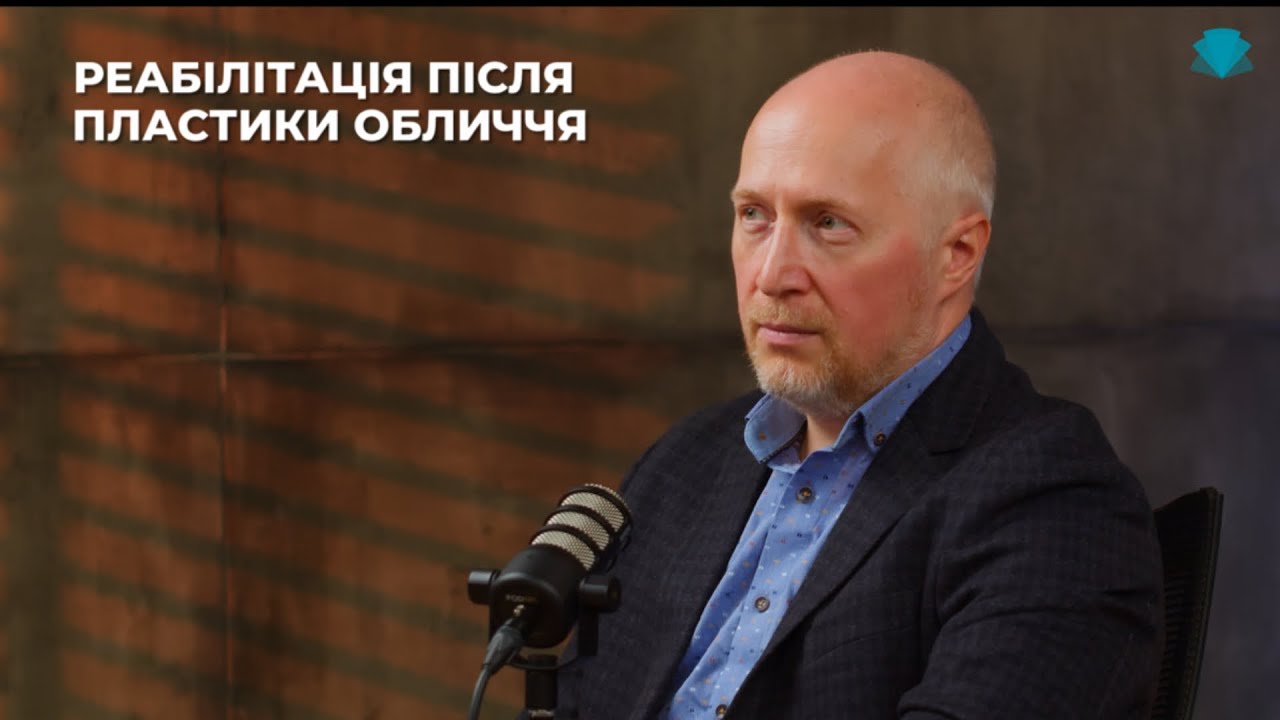
Facial plastic surgery at the VIRTUS Institute aims to achieve a beautiful and natural-looking result without skin deformities. The rejuvenating effect lasts for at least 8–12 years. After that, smaller-scale procedures or cosmetic treatments using autologous materials can be performed on different areas of the face, depending on where age-related changes appear.
Facial plastic surgery can be performed on patients who do not have absolute contraindications of a general surgical nature. These contraindications include cancer, blood-clotting disorders, inflammation at the surgical site, and acute infectious diseases.
If the idea of plastic surgery is intimidating, the VIRTUS Institute offers numerous alternative non-surgical rejuvenation methods. These include facial and lip contouring, which involves correcting facial contours with dermal fillers, as well as laser rejuvenation. The Institute has also developed two proprietary techniques:
Courses of injections activate skin cell regeneration, stimulate blood supply and collagen production. As a result, the skin becomes firmer and fresher. At the same time, patients avoid some of the drawbacks of a facelift, such as swelling and the potential for nerve damage.

Get useful tips for beauty and health from the best specialists of the VIRTUS Institute of Advanced Medicine!
 70 4 min.
 74 4 min.
 129 3 min.
 118 9 min.
 1257 2 min.
 355 4 min.
 396 7 min.
 487 6 min.
 573 4 min.


 Submit your review
 Ask a question


Leave an application for an appointment at the clinic
We thank you for contacting the VIRTUS Institute.
The administrators will contact you shortly to clarify the details of the visit.
Just leave your phone number - we will book you in within 1 minute.

We will definitely take your feedback into account to improve the quality of work and improve the standards of service of the Institute of Advanced Medicine “VIRTUS”. Have a nice day!
We invite you to review feedbacks on a special page, which contains video and text feedbacks from the site and the VIRTUS guestbook..
Every day we work to improve the quality of work and the standards of the VIRTUS Institute, and customers’ recognition is the most valuable asset that we are proud of!

Your question will be addressed to the VIRTUS subject-matter specialist.
Your question will be addressed to the VIRTUS subject-matter specialist. The answer will be sent to the specified e-mail, as well as to the “Questions and Answers” page without specifying your data
We hope you find it interesting and useful to study what questions were asked by other clients and patients of the VIRTUS Institute: