


Safety of laser treatments: what you need to know before skin rejuvenation
The safety of laser procedures depends on more than just the equipment. Anna Tsepkolenko, head of the Department of Regenerative, Laser, and Phototechnologies at…



The administrator of VIRTUS will contact you shortly

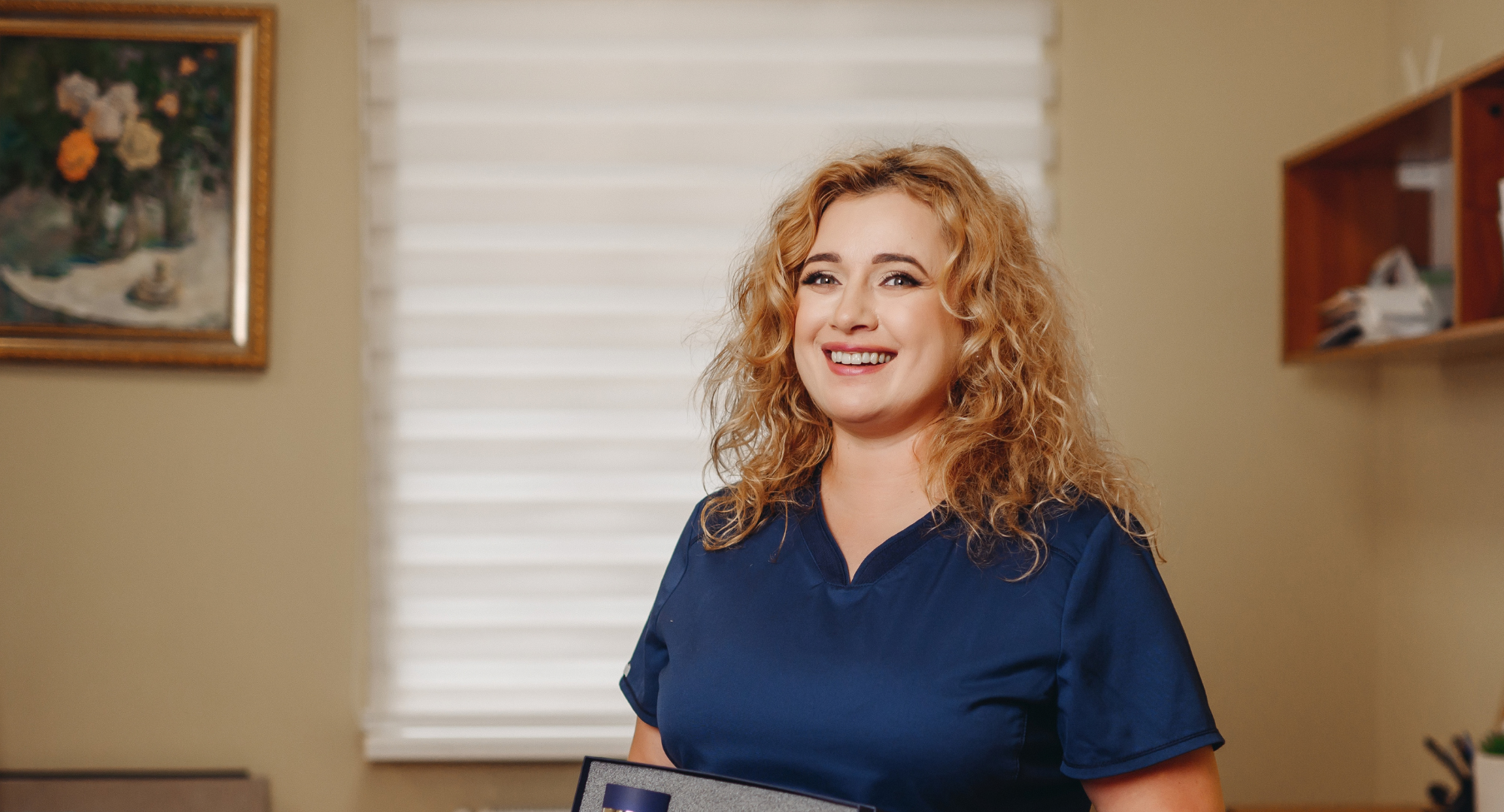


Laser rejuvenation is not only about reducing wrinkles but also about improving skin quality. Hanna Tsepkolenko, Head of the Department of Regenerative, Laser and Phototechnologies at VIRTUS, talks about the capabilities of modern laser and cellular technologies, the individualized choice of procedures, and natural-looking results.
Laser rejuvenation really works. The thermal effect triggers internal processes in the skin:
As a result, the skin becomes firmer and more elastic, fine wrinkles become less pronounced, and pigmentation is reduced. Overall, the skin looks healthier and younger.
Laser also helps patients with post-acne scarring. Scars appear noticeable because light falls into the depressions, reflects there and creates a shadow. With a laser, the skin’s texture can be evened out and the prominence of such «crater» scars reduced. This improves not only the skin’s appearance but also patients’ quality of life.
At VIRTUS, a primary consultation is performed first, during which the patient’s skin condition is assessed. In particular, skin ultrasound and an assessment of cutaneous blood flow can be carried out. If the skin is thinned and blood flow is reduced, the physician may recommend injection of an autologous platelet mesoconcentrate (AMC). For this, a small sample of the patient’s blood is taken, centrifuged to isolate the platelets (onto which growth factors adsorb), and the resulting product is injected mesotherapeutically. Such a product can be used on the skin of the face, neck, décolleté and hands, and also to improve hair growth in the scalp area.
The next stage may be a fractional CO₂ laser. It is performed about two weeks after the first procedure to tighten the skin. Another two weeks later, one can perform, for example, an ultrasound lift or high-frequency ultrasound. It creates a zone of thermal coagulation, which causes muscle contraction. In certain cases, the final stage may be injection of botulinum toxin preparations, for example in the forehead area.
VIRTUS adheres to the principle of moderation: products are injected in small amounts and only where they are truly needed. The main thing is to work on skin quality first. If, after that, there is a need for additional procedures, they can be performed without overcorrection and excessive volumes.
There is a condition called gravitational ptosis. This is a situation when the tissues of the lower two-thirds of the face sag significantly, and substantial excess skin appears on the upper and lower eyelids — about one and a half to two centimeters. Such an amount of skin cannot be reduced only with a laser. In addition, there may be fat hernias. In such cases, surgical treatment is indicated: blepharoplasty of the upper and lower eyelids, as well as lifting of the lower two-thirds of the face.
After surgical correction, it is possible to work on skin quality: improve its structure, reduce pigmentation, and maintain the achieved result with cosmetic procedures. At the same time, cosmetology requires a systemic approach. If we are talking about device-based procedures, they should be performed regularly — for example, using microcurrents and treatments for skin hydration.
Intensive cosmetology includes laser procedures, ultrasound facial lifting, and cellular technologies. Such interventions can be performed approximately once a year and combined with each other if necessary.
Virtually all laser systems available in the world today are gathered at VIRTUS. Therefore, physicians have the opportunity to select a laser individually for each patient. This makes it possible to take into account the skin condition, its thickness, and the problems that need to be solved. The following equipment is used:
The advantage of having multiple lasers lies in combining them. This allows for the most effective result. For example, the face can be treated with a fractional CO₂ laser, while the neck, décolleté and hands — with an erbium laser.
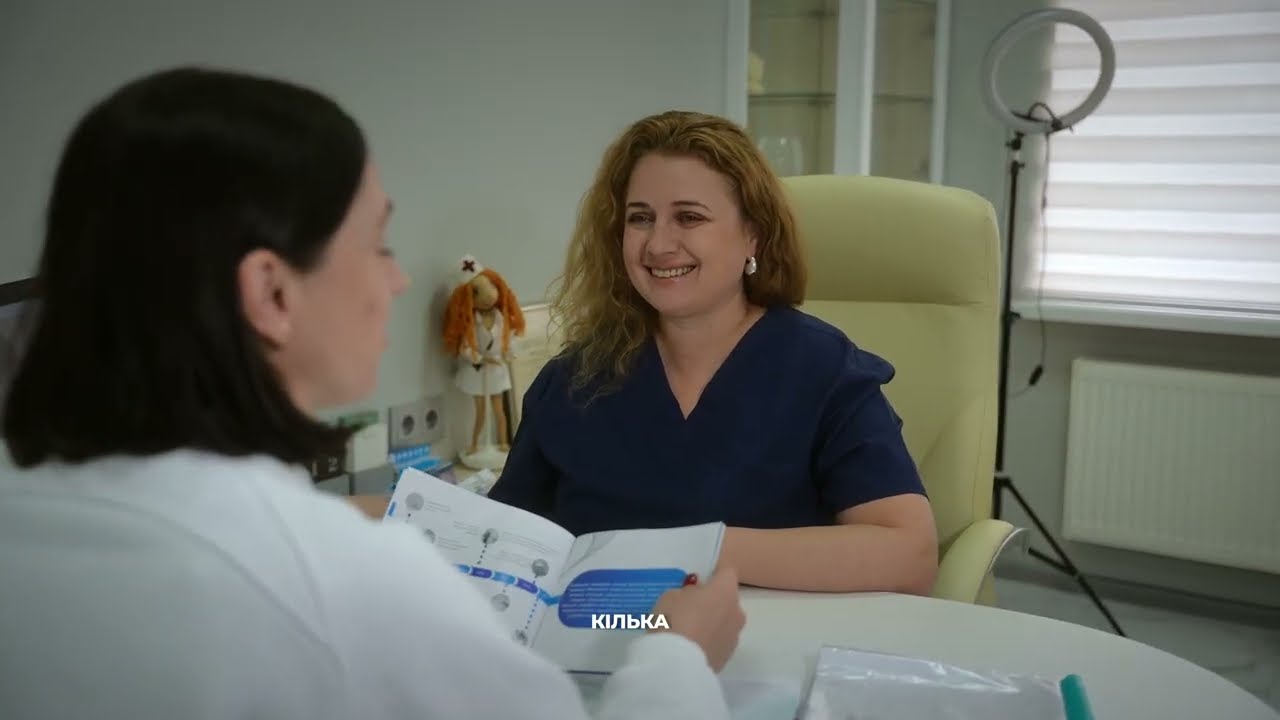
VIRTUS widely uses cellular technologies and preparations produced in a biotechnology laboratory. For this, a small piece of skin is taken from behind the patient’s ear, after which the patient’s own cells — fibroblasts — are cultured under laboratory conditions. The resulting number of cells can be stored in a bank and used later. For example, they can be injected mesotherapeutically about a month after cultivation, or stored and used once a year.
It is known that starting at about age 35, the number of fibroblast cells decreases by 10–15% every 10–15 years.
Thanks to cellular technologies, one can use a person’s own cells to improve skin quality. After injection, they begin to produce the necessary substances themselves that affect skin quality. Cells can also be collected earlier: taken at 30, stored, and used at 40 or 45. In that case the quality of those cells will be considerably better. This is a sensible technology for discerning people, since it makes it possible to achieve the most natural-looking result.
VIRTUS already has female patients who do not use botulinum toxin or fillers but instead maintain skin quality with cellular technologies about every six months or once a year. This allows a significant improvement in skin quality and appearance while preserving naturalness.
The duration of aesthetic procedure results largely depends on lifestyle. If a person smokes, drinks a lot of alcohol and generally does not follow a healthy lifestyle, the results may last for a shorter time. The main factor in skin aging is excessive sun exposure, which affects fibroblasts. Therefore it is worth spending less time in the sun or following safety measures.
In people who exercise, eat properly and undergo at least an annual checkup, the results of aesthetic procedures last longer, and the overall condition and appearance of the skin are better.
Patients describe changes after rejuvenation procedures in different ways. For example, one patient said that after the procedures, the women at her gym couldn’t believe how old she was. Another patient from the United States, after changes in her appearance, encountered a situation in a restaurant where she was asked for ID because they assumed she was not yet 21.
It is important not only to make a patient look younger, but to understand what brought them to the procedures. That is why at the first meeting the doctor asks what exactly concerns the patient. If the patient is worried about the upper and lower eyelids, the focus is placed on blepharoplasty. If the main problem is skin quality, attention is devoted to improving it.
Motivation is different for every patient. The doctor’s task is to hear that concern and select a correction according to what truly bothers the person. After all, the aim is not only to improve appearance but also to help the patient feel more confident and be satisfied with their life.

Get useful tips for beauty and health from the best specialists of the VIRTUS Institute of Advanced Medicine!

 72
72  4 min.
 129 3 min.
 118 9 min.
 1257 2 min.
 286 6 min.
 355 4 min.
 396 7 min.
 487 6 min.
 573 4 min.


 Submit your review
 Ask a question


Leave an application for an appointment at the clinic
We thank you for contacting the VIRTUS Institute.
The administrators will contact you shortly to clarify the details of the visit.
Just leave your phone number - we will book you in within 1 minute.

We will definitely take your feedback into account to improve the quality of work and improve the standards of service of the Institute of Advanced Medicine “VIRTUS”. Have a nice day!
We invite you to review feedbacks on a special page, which contains video and text feedbacks from the site and the VIRTUS guestbook..
Every day we work to improve the quality of work and the standards of the VIRTUS Institute, and customers’ recognition is the most valuable asset that we are proud of!

Your question will be addressed to the VIRTUS subject-matter specialist.
Your question will be addressed to the VIRTUS subject-matter specialist. The answer will be sent to the specified e-mail, as well as to the “Questions and Answers” page without specifying your data
We hope you find it interesting and useful to study what questions were asked by other clients and patients of the VIRTUS Institute: