



Laser rejuvenation
Laser rejuvenation is not only about reducing wrinkles but also about improving skin quality. Hanna Tsepkolenko, Head of the Department of Regenerative, Laser and…



The administrator of VIRTUS will contact you shortly


 489
489  6 min.


Proctology is a medical field that still carries many fears, myths, and awkward questions. Together with Anastasiia Vasylivna Makukha, a proctologist and oncological surgeon at the VIRTUS clinic, we go over the most common patient questions and explain when it is really necessary to see a doctor.
A proctologist is a physician who diagnoses, treats, and prevents diseases of the anal canal, rectum, perianal area, and the large intestine in general. You should consult a proctologist for any symptoms related to these organs and not postpone the visit because of stereotypes or embarrassment. The doctor provides conservative (non-surgical) treatments and performs surgical interventions depending on the diagnosis and the patient’s condition.
Today the patient mix in proctology is roughly equal between men and women. At the same time, a certain seasonality is noticeable. For example, after New Year’s holidays or the May long weekend men tend to come in more often. This is associated with overeating, alcohol consumption, physical exertion, or lifting heavy objects.
In recent years the number of women with problems that were previously considered more typical for men has increased significantly. In particular, this concerns perianal thrombosis. This is related to the rising popularity of strength training and unsupervised workouts, which can lead to proctological complications. A distinct area of modern proctology is the treatment of consequences of obstetric injuries and tears sustained during childbirth. Such conditions can significantly affect a woman’s quality of life and require specialized care.
The reason for a visit is not always purely proctological. Patients sometimes come suspecting hemorrhoids, but after examination it turns out that the bleeding or other symptoms are caused by a completely different condition, for example an inflammatory bowel disease. Another common problem is anal fissures. Since the start of the full-scale war the number of such cases has grown markedly. This is linked to chronic stress, which can cause pelvic-floor muscle spasm. In many cases treatment does not require surgery — relieving the spasm and selecting the correct therapy is sufficient.
Patients also very often come with perianal dermatitis. Because of itching and discomfort people frequently mistakenly assume they have hemorrhoids, while the actual problem is skin inflammation.
The choice of proctologist primarily depends on the patient’s own preferences. Some people care only about solving the problem, so they do not pay attention to the doctor’s gender. However, most people choose a specific specialist: they come on the recommendation of acquaintances, friends or relatives, trusting so‑called word‑of‑mouth.
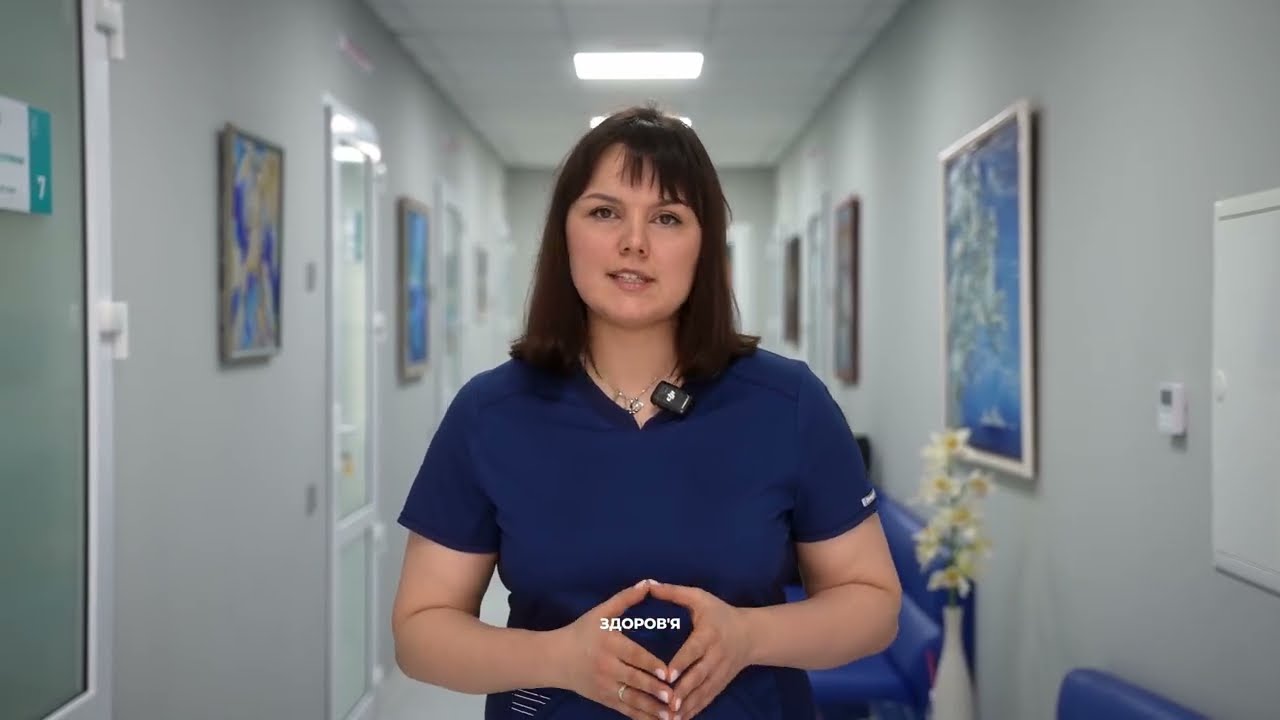
The first appointment with a proctologist always begins with a conversation. A standard consultation lasts about 30 minutes, and the first 10–15 minutes are devoted to introductions, collecting complaints and medical history. This helps establish trust, since the patient often has to talk about very personal matters.
The doctor’s main task is to make the patient feel comfortable and ready for the examination. Before each procedure the proctologist explains in detail what will be done, what instruments will be used, and why it is necessary. The patient may ask the examination to be stopped at any time or ask any question.
For establishing the correct diagnosis, it is very important to honestly report all symptoms and life circumstances, even if they are awkward to talk about. Any detail that may seem insignificant at first glance can be important for diagnosis and treatment. The doctor’s goal is to understand the cause of the problem, help resolve it, and explain how to prevent similar situations in the future. A proctologist does not judge; they strive to do everything possible to relieve the patient’s condition.
You should not worry about an unpleasant odor during the examination. Before the appointment, follow your usual hygiene routine; the examination itself takes place in a specially prepared room that is regularly cleaned and disinfected after each patient.
Special instruments are used during the examination, and medical staff work wearing masks and sterile gloves.
At the same time, a specific odor is often an important diagnostic sign. For example, the smell of purulent discharge can indicate an inflammatory process that requires treatment. For the doctor this is not a reason for discomfort or judgment, but one of the symptoms that helps assess the patient’s condition. Do not be embarrassed or postpone a visit because of concerns about a possible odor — the doctor’s primary task is to help, not to judge or criticize.
A full initial proctologist consultation without an examination is not possible, since it is difficult to establish a diagnosis based only on a description of symptoms. Online consultations are mainly provided for patients who have already been examined. This format is especially useful after surgery, when a patient travels abroad or cannot regularly visit the clinic.
During remote follow-up, the healing process, general condition, dressing changes, treatment results, and any questions arising during rehabilitation are discussed. If necessary, the patient can send photographs via messengers. For example, in apps with disappearing messages the doctor can view a photo and it will then be automatically deleted, which helps preserve confidentiality.
Rehabilitation in proctology can last several months. In some cases treatment proceeds in several stages, so maintaining regular contact with the patient is an important component of a successful outcome.
One of the most important signals to seek immediate proctological care is any bleeding from the anus. Even if the blood appeared only once and did not recur, it is a reason to undergo an examination and determine the cause.
Preventive screening is also important. After age 40–45, a routine colonoscopy by an endoscopist is recommended even in the absence of complaints. During the exam polyps can be detected and removed immediately, and if suspicious or malignant lesions are found the patient is referred to an oncological surgeon to determine further treatment tactics.
Besides bleeding, the following symptoms should raise concern:
Do not wait for symptoms to resolve on their own. The earlier a patient sees a proctologist, the sooner a diagnosis can be made, treatment started, and serious complications avoided.
A preventive visit to a proctologist helps detect problems in time that a person may have accepted as normal for years. Some disorders are present from childhood, but due to lack of knowledge or the habit of ignoring certain symptoms people live with them for many years. As a result, this leads to proctological complications, and then one has to treat not the cause but its consequences.
A preventive exam also helps identify problems that do not belong to proctology at all. During consultation the doctor may notice a suspicious lesion on the skin of the back or buttocks and timely refer the patient to a dermatologist for dermoscopy and, if necessary, subsequent removal. In many cases people are not even aware of such changes.
Normal bowel frequency can vary. According to international recommendations, it is considered normal to have as many as three bowel movements a day or as few as one every three days, provided the person does not experience discomfort. The most physiological pattern is a painless daily bowel movement, preferably in the morning after a night’s sleep. This is the rhythm to aim for.
Anal sex can negatively affect the health of the anal canal and the sphincter complex. Patients most often see a proctologist not because of the act of anal sex itself, but because of its consequences.
The greatest risk is injury to the internal anal sphincter. Such injuries are not always immediately noticeable but can, over time, lead to various proctological problems. These complications occur more often in women than in men. This is explained by features of female anatomy: the perineal tissues are more elastic and physiologically adapted for childbirth, and the internal sphincter is thinner, making it easier to injure or even damage.
Proctologists are frequently consulted for foreign objects that cannot be removed independently. These can include sexual toys of inappropriate size, roll-on deodorants, and so on. In such a situation you should not try to solve the problem on your own or wait for the object to come out by itself. Delay can lead to serious complications.
For this reason you should see a proctologist or go to an urgent surgical department as soon as possible — preferably within the first hours after the incident. The longer a foreign object remains in the bowel, the higher the risk of tissue injury, inflammation, and the need for more complex surgical intervention.
Medical staff do not aim to find out how exactly the object got into the bowel. The main task is to help the patient safely. These consultations are confidential, so do not postpone the visit out of shame or fear of judgment.
Jokes in the proctologist’s office are appropriate only when they help the patient relax and reduce anxiety. It is important not to cross the line, because humor should not contribute to the stigmatization of proctology or create disrespectful attitudes toward the doctor or the patient.
Modern regenerative technologies at the VIRTUS clinic open new possibilities for treating proctological conditions, especially in cases where surgical intervention is undesirable or contraindicated. Although surgical treatment is effective, it has limitations: it requires a recovery period and cannot always be repeated.
Regenerative technologies, by contrast, are less invasive. They do not provide an immediate result but promote gradual tissue regeneration and improve the patient’s quality of life.

Get useful tips for beauty and health from the best specialists of the VIRTUS Institute of Advanced Medicine!
 70 4 min.
 74 4 min.
 129 3 min.
 118 9 min.
 1257 2 min.
 289 6 min.
 355 4 min.
 397 7 min.
 573 4 min.


 Submit your review
 Ask a question


Leave an application for an appointment at the clinic
We thank you for contacting the VIRTUS Institute.
The administrators will contact you shortly to clarify the details of the visit.
Just leave your phone number - we will book you in within 1 minute.

We will definitely take your feedback into account to improve the quality of work and improve the standards of service of the Institute of Advanced Medicine “VIRTUS”. Have a nice day!
We invite you to review feedbacks on a special page, which contains video and text feedbacks from the site and the VIRTUS guestbook..
Every day we work to improve the quality of work and the standards of the VIRTUS Institute, and customers’ recognition is the most valuable asset that we are proud of!

Your question will be addressed to the VIRTUS subject-matter specialist.
Your question will be addressed to the VIRTUS subject-matter specialist. The answer will be sent to the specified e-mail, as well as to the “Questions and Answers” page without specifying your data
We hope you find it interesting and useful to study what questions were asked by other clients and patients of the VIRTUS Institute: