


Laser rejuvenation
Laser rejuvenation is not only about reducing wrinkles but also about improving skin quality. Hanna Tsepkolenko, Head of the Department of Regenerative, Laser and…



The administrator of VIRTUS will contact you shortly

 396
396  7 min.


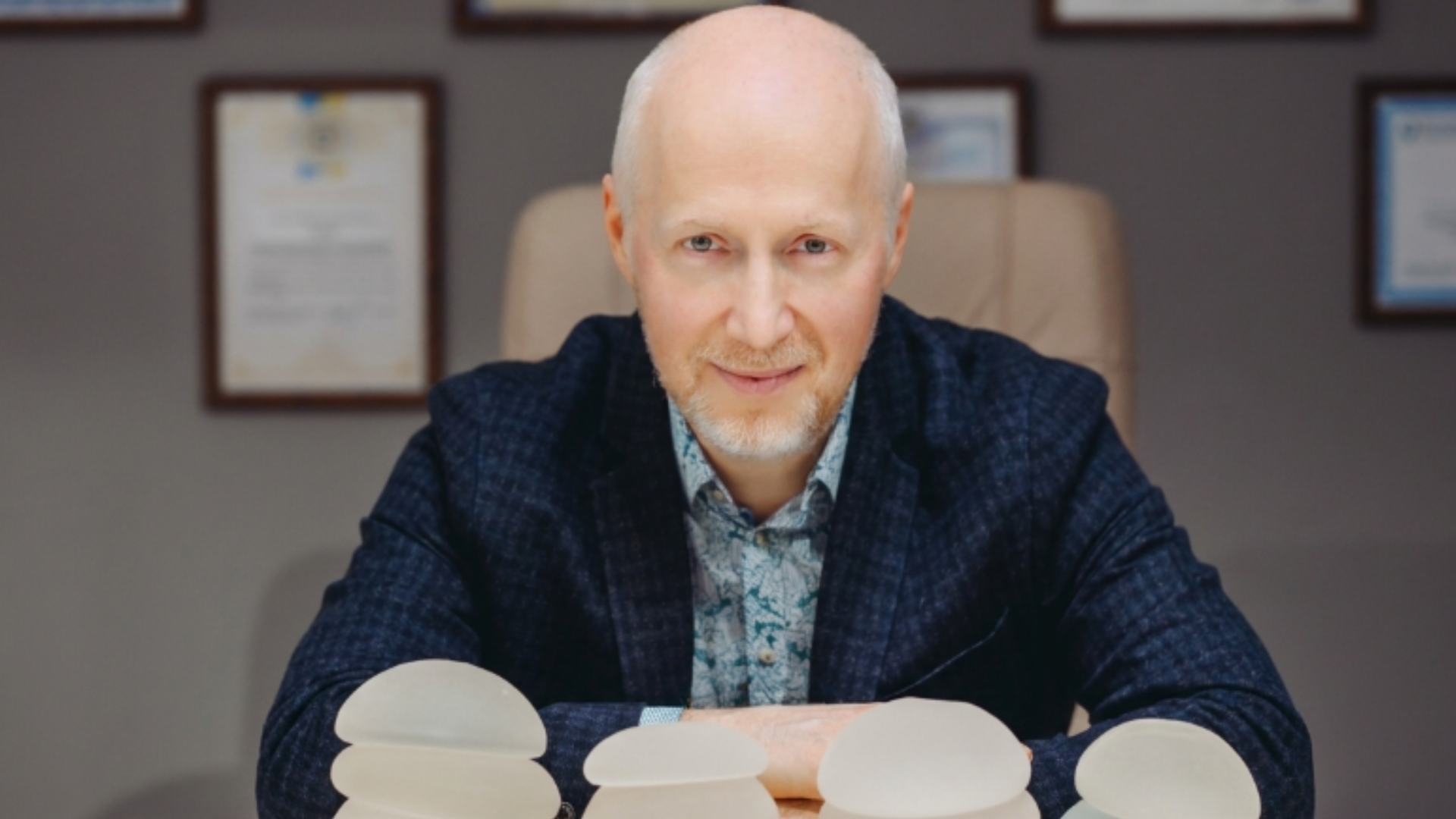
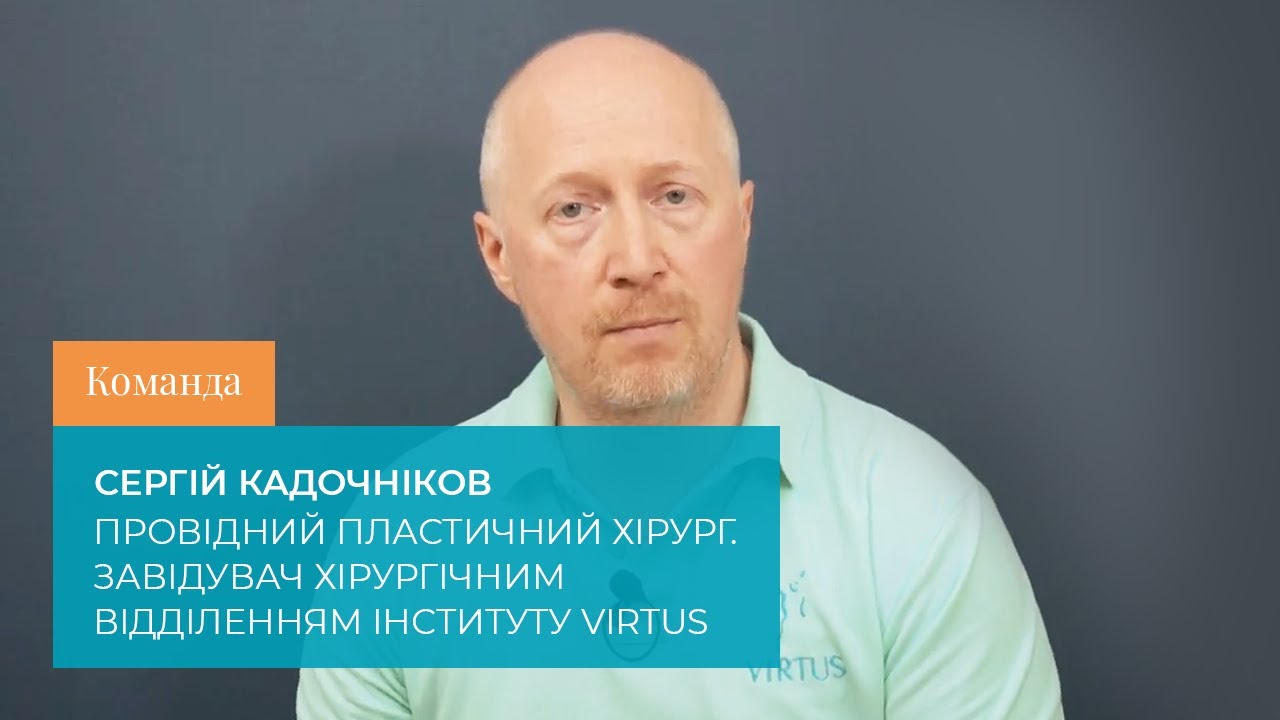
Plastic surgery today is not only about changing appearance, but also about improving quality of life and self-confidence. Questions about the cost of procedures, modern trends, and choosing the right clinic are answered by Sergey Valerievich Kadochnikov — leading plastic surgeon at the VIRTUS Institute.
Over the past two decades, plastic surgery has undergone significant evolution. Not only have technologies changed, but also people’s attitude toward it. Previously, plastic surgery was associated with something «unattainable,» intended only for eccentrics or a narrow circle of people. Today, aesthetic surgery has become much more accessible.
A major role in this change was played by open sources of information, professional consultations, interviews, and doctors’ podcasts. People began to better understand the possibilities of plastic surgery and stopped perceiving it as something exotic.
At the same time, beauty trends have always existed. Around 15–20 years ago, the most noticeable transformations were popular: very large lips, large breasts, and highly visible results that immediately attracted attention. For many people, this was a kind of demonstration of status.
Today, trends are different. If lips are enlarged, the goal is to make them look natural. If a breast augmentation procedure is performed, the focus is not only on size. Attention is paid to the harmonious shape of the breasts, long-lasting results, and comfort in everyday life. Modern plastic surgery strives for natural-looking results.
Plastic surgery is primarily an investment in yourself. Just as quality education requires significant investment, surgery is a contribution to your own personal resources. After all, the greatest value of every person is themselves.
Material possessions can disappear. A house, a car, expensive belongings — all of this can be lost. Many people realized this especially strongly after the beginning of the war. But a person always remains with themselves. That is why investments in your health, appearance, and psychological comfort have long-term value.
Another important argument is the longevity of the results. Many plastic surgeries are performed once and provide results that last for many years or even a lifetime. For example, the result of rhinoplasty remains with a person permanently. Rejuvenation procedures do not stop natural aging, but even ten years later, a patient can look younger than they would have without the procedure.
The cost of plastic surgery procedures can vary significantly between clinics. This is completely normal, as medicine operates within market principles, where prices are influenced by many factors. First of all, the experience of the plastic surgeon plays an important role. A beginner and a doctor with many years of practice and professional achievements cannot value their work in the same way.
The second important factor is the level of the clinic. Safe plastic surgery requires modern equipment, proper technical facilities, an operating room that meets the necessary standards, as well as a team of qualified specialists who ensure quality and safety at every stage of treatment.
That is why a procedure performed in a modern specialized clinic cannot cost the same as an intervention performed in a small private office.
The cost of plastic surgery does not depend on how natural the final result will look. Instead, the surgeon’s individual approach plays a significant role. Some doctors specialize primarily in achieving максимально natural changes, where the result is almost unnoticeable to others. Others focus on more pronounced transformations or, for example, perform procedures involving larger implants. The naturalness of the result is primarily a feature of the surgeon’s professional style and aesthetic vision, rather than a factor that determines the cost of the procedure.
Choosing a plastic surgeon is one of the most important decisions for a future patient. Before deciding on surgery, it is worth taking several steps:
Choosing the right surgeon is the foundation of achieving the desired surgical result.
A plastic surgeon does not treat psychological disorders or addictions, but they should be able to recognize when a person comes for a consultation with psychological difficulties that may affect their perception of the surgical result.
Approximately 10% of patients who come for consultations have such characteristics. Some of them expect plastic surgery to automatically solve their problems: help maintain relationships, get married, or completely change their lives. However, such expectations do not correspond to reality.
Yes, breast augmentation alone does not guarantee a happy marriage, and surgery cannot fix problems that already exist in family relationships. Therefore, during the consultation, the doctor must understand the patient’s true motivation and expectations. In some cases, it is necessary to explain to a person that surgery is not needed.
When choosing a plastic surgery clinic, it is important to pay attention not only to the surgeon’s name. A successful surgical outcome depends on many factors:
These factors are what ensure a high level of results.
Plastic surgery is primarily a personal decision, not a matter that should be decided by others. If a person is bothered by age-related changes, such as excess eyelid skin or wrinkles, and wants to change them, it is their personal right. After all, when someone has a toothache, they do not ask permission to get a filling — they simply treat the problem. The same applies when a person’s reflection in the mirror causes emotional discomfort. Of course, open communication and support are important in a family, but the final decision regarding one’s own body belongs to the individual.
One of the most famous examples of preventive surgery was the procedure that Angelina Jolie underwent. Her story attracted the attention of millions of people around the world and showed that plastic surgery can be performed not only for aesthetic purposes but also for preventive reasons. This refers to mastectomy for women with a high genetic risk of developing breast cancer.
The goal of such an intervention is to significantly reduce the risk of cancer and relieve women from the constant psychological stress associated with the fear of developing the disease. Before surgery, the patient undergoes a thorough examination that confirms the presence of genetic risk factors. Only after this is a decision made regarding preventive surgical treatment.
The modern approach at the VIRTUS clinic differs from a traditional mastectomy, which is performed when an oncological process is already present. During preventive surgery, the breast skin and areolas are preserved as much as possible, and the removed tissue is immediately replaced with implants or the patient’s own tissues. Thanks to this approach, a woman does not lose her breasts.
When planning the procedure, the doctor considers the patient’s age, body structure, breast shape, and other individual factors in order to achieve the most natural and aesthetic result possible. In many cases, a breast lift is performed at the same time, so after surgery the breasts may even look better than before the procedure. Despite the technical complexity and duration of the operation for the surgeon, the postoperative period for the patient is usually relatively easy.
Unusual requests such as «make me elf ears» or «give me breasts like Pamela Anderson» are rare in practice. In reality, breast augmentation has its anatomical limitations. Tissues can only stretch to a certain extent. That is why achieving a very large size is not always possible in a single operation. Excessive stress on tissues can lead to complications and worsen the long-term result. Pamela Anderson herself eventually chose to remove her large implants.
As for so-called «elf ears,» such surgery is technically possible. However, before performing it, the doctor must discuss with the patient whether they are ready to live with such ears in ten or twenty years. After all, correcting such changes in the future can be much more difficult than the initial procedure.
In plastic surgery, the main tradition remains strict adherence to medical standards. Before every operation, the team fully prepares the operating room, follows all infection control requirements, carefully disinfects hands with antiseptic solutions, prepares the patient, performs the necessary antiseptic treatment of the surgical field, and ensures safe anesthesia with all monitoring systems connected. These mandatory stages of plastic surgery are, in a way, the true «rituals» of the profession.
As in any field of medicine, plastic surgery cannot guarantee an absolutely perfect result. However, doctors at the VIRTUS clinic guarantee that the procedure will be performed according to modern medical standards, in appropriate conditions, with compliance with all safety rules and professional requirements.
It is also important to remember the importance of postoperative care. To monitor the condition of implants, patients should undergo regular preventive examinations. If we are talking about breast or gluteal implants, annual examinations are recommended to ensure that the implants remain in proper condition.
Despite the difficult circumstances of wartime, demand for plastic surgery has not disappeared. The war has made many people reconsider their life values. More and more people realize that material possessions can be lost, while they themselves remain with themselves forever. That is why many choose to invest resources not in things, but in their own health, appearance, and psychological comfort.
Even military personnel come for plastic surgery during short periods of leave. For them, it becomes a way to make long-planned changes and live in the present moment.

Get useful tips for beauty and health from the best specialists of the VIRTUS Institute of Advanced Medicine!
 67 4 min.
 71 4 min.
 126 3 min.
 116 9 min.
 1256 2 min.
 286 6 min.
 353 4 min.
 487 6 min.
 570 4 min.


 Submit your review
 Ask a question


Leave an application for an appointment at the clinic
We thank you for contacting the VIRTUS Institute.
The administrators will contact you shortly to clarify the details of the visit.
Just leave your phone number - we will book you in within 1 minute.

We will definitely take your feedback into account to improve the quality of work and improve the standards of service of the Institute of Advanced Medicine “VIRTUS”. Have a nice day!
We invite you to review feedbacks on a special page, which contains video and text feedbacks from the site and the VIRTUS guestbook..
Every day we work to improve the quality of work and the standards of the VIRTUS Institute, and customers’ recognition is the most valuable asset that we are proud of!

Your question will be addressed to the VIRTUS subject-matter specialist.
Your question will be addressed to the VIRTUS subject-matter specialist. The answer will be sent to the specified e-mail, as well as to the “Questions and Answers” page without specifying your data
We hope you find it interesting and useful to study what questions were asked by other clients and patients of the VIRTUS Institute: